Stop Fishing in a Crowded Ocean: Building an Audience That Actually Wants What You Make

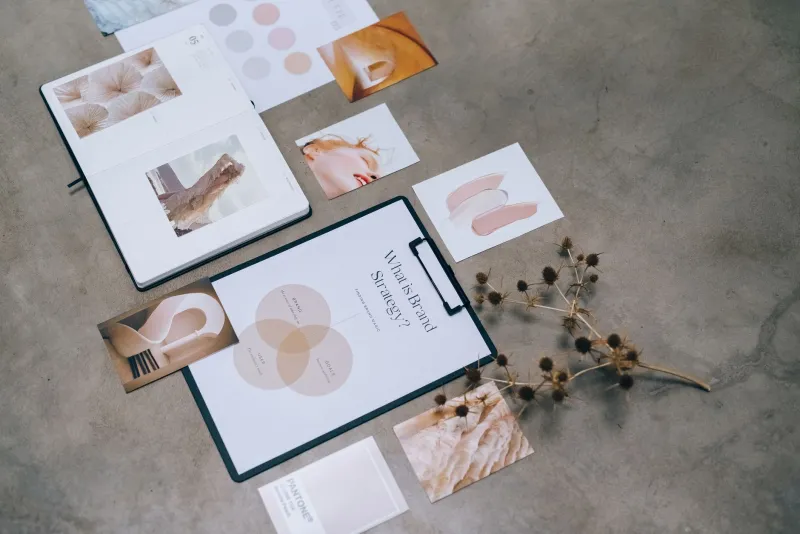
Photo by Photo by Bench Accounting on Unsplash on Unsplash
The Paradox Nobody in the Creator Space Wants to Talk About
Right now, as you read this, there are more tools available to share your creative work than at any other point in human history. You can publish a podcast from your car, drop a short film on YouTube from your apartment, build a newsletter with a global subscriber list from your kitchen table. The infrastructure for reaching people has never been more accessible.
And yet — be honest with yourself — does it feel like anyone's actually paying attention?
This is the quiet crisis of the modern creator economy. Distribution has been democratized, but attention hasn't. If anything, attention has become the scarcest resource in the room. We're all fishing in the same ocean, and that ocean gets more crowded every single day.
The response most creators have to this reality is to get louder, post more, optimize harder, and chase whatever format the algorithm is currently rewarding. And look — sometimes that works. For a minute. Until the algorithm changes, the trend cycle moves on, and you're back to zero with a content calendar that's eating you alive.
There's a different approach. It's less flashy and it takes longer. But it actually builds something.
What the Attention Recession Actually Means for Creators
Let's be specific about what we're dealing with. Average attention spans online haven't just shortened — they've fractured. People aren't just scrolling faster; they're context-switching constantly, consuming content across multiple platforms simultaneously, and making split-second decisions about what earns their time.
The platforms know this, which is why every major social channel has spent the last few years rewarding shorter, more immediately stimulating content. Hooks. Pattern interrupts. Thumbnails engineered to trigger a click. The whole architecture of the modern internet is optimized for the first three seconds.
Here's what that creates: a race to the bottom for attention, where the creators who win are the ones most willing to be extreme, outrageous, or perfectly on-trend. And the creators who lose are the ones doing slow, careful, specific work that doesn't fit neatly into a trending audio clip.
Except — and this is the thing worth holding onto — the people who lose that race aren't actually losing the game that matters.
The Case for Depth Over Reach
Consider two creators. One has 200,000 followers across platforms and gets solid engagement on trend-driven content. The other has 8,000 deeply loyal subscribers who open every email, buy every product, and tell their friends. Which one has the more sustainable creative career?
This isn't a hypothetical. The creator economy is full of people with massive followings who can't monetize them, and people with tiny but intensely engaged audiences who've built real businesses — or real artistic careers — around the work they actually want to make.
The difference isn't talent. It's specificity.
When you try to appeal to everyone, you end up meaning something to almost no one. When you go narrow — when you make work that speaks directly and honestly to a specific kind of person — the people it's meant for feel it. And they don't just consume it. They carry it with them.
That's the mechanism behind every cult creative success story in American culture. From indie record labels to literary magazines to niche YouTube channels with devoted communities — the work that endures almost always started by going deeper, not broader.
Practical Strategies for Building in the Attention Recession
So what does this actually look like in practice? Here are the principles I keep returning to.
Get uncomfortable specific about who you're making things for.
Not "creative professionals" or "people who love storytelling." Who, specifically? What do they believe that most people don't? What problem are they sitting with that your work speaks to? The more precisely you can answer that question, the more magnetic your work becomes to the exact people it's meant for — and the less you'll find yourself trying to water it down for everyone else.
Build for return visits, not first impressions.
Viral content is engineered for the first click. Loyal audiences are built through consistent value over time. Ask yourself: does this piece of work give someone a reason to come back? Does it create a relationship, or just a moment? The latter might get more impressions. The former builds something that compounds.
Let your point of view be the product.
In a landscape where information is essentially free and infinite, the thing that can't be replicated or algorithmically generated is a genuine, distinctive perspective. Your take on things — your aesthetic sensibility, your intellectual framework, the specific combination of experiences and obsessions that makes you you — is actually the most defensible creative asset you have. Lean into it harder than feels comfortable.
Treat your audience like collaborators, not consumers.
The creators who build the most durable audiences aren't just broadcasting at people — they're in genuine conversation with them. That doesn't mean you need to respond to every comment or host weekly live streams. It means you're making work that acknowledges the person on the other side of it, that invites them into something rather than just performing at them.
Going Against the Grain on Purpose
Here's something that might feel counterintuitive in 2024: the best thing you can do for your creative career right now might be to deliberately slow down.
Not slow down your output necessarily — but slow down your reaction to the noise. Stop checking what's trending before you decide what to make. Stop reverse-engineering your creative instincts from analytics. Give yourself the space to make something that comes from a real place rather than a reactive one.
The irony of the attention recession is that the work most likely to cut through it isn't the work that's been optimized to death for maximum reach. It's the work that's so specific, so honest, and so clearly made with genuine intention that the people it's meant for can feel it immediately.
You can't manufacture that. But you can stop doing the things that get in the way of it.
The Long Game Is the Only Game Worth Playing
The creator economy will keep evolving. Platforms will rise and fall. Algorithms will change. Whatever format is dominating right now will be old news in eighteen months.
What doesn't change is the human desire to encounter work that feels like it was made by a real person, for real reasons, with something genuine at stake. That's been true since before the internet and it'll be true long after whatever comes next.
Building an audience that actually wants what you make — not what you think they want, not what the algorithm is rewarding this quarter, but what you actually have to offer — is slow work. But it's the only kind that doesn't have to be rebuilt from scratch every time the tide shifts.
The ocean is crowded. Stop trying to fish like everyone else.